
- afrikaans
- albanian
- amharic
- arabic
- armenian
- assamese
- aymara
- azerbaijani
- bambara
- basque
- belarusian
- bengali
- bhojpuri
- bosnian
- bulgarian
- burmese
- catalan
- cebuano
- corsican
- creole
- croatian
- czech
- danish
- deutsch
- dhivehi
- dogrid
- dutch
- english
- estonian
- ewe
- filipino
- finnish
- french
- frisian
- galician
- georgian
- greek
- guarani
- gujarati
- haitian_creole
- hausa
- hawaiian
- hebrew
- hindi
- hungarian
- icelandic
- igbo
- indonesian
- irish
- italian
- japanese
- kannada
- khmer
- kinyarwanda
- korean
- kurdish
- kurdish_sorani
- kyrgyz
- lao
- latin
- latvian
- lithuanian
- luganda
- luxembourgish
- macedonian
- maithili
- malay
- malayalam
- maltese
- maori
- marathi
- nepali
- norwegian
- nyanja
- oromo
- pashto
- persian
- polish
- portuguese
- punjabi
- quechua
- romanian
- russian
- samoan
- sanskrit
- scottish_gaelic
- shona
- sindhi
- singapore
- slovak
- slovene
- somali
- spanish
- swahili
- swedish
- tajik
- tamil
- tatar
- telugu
- thai
- turkish
- turkmen
- twi
- ukrainian
- urdu
- vietnamese
- welsh
- yiddish
- yoruba
In the demanding world of infrastructure development, the stability of the ground is the foundation of every successful project. A backhoe compaction wheel serves as a critical attachment that transforms a versatile backhoe loader into a precision soil-stabilization machine, ensuring that trenches, roadbeds, and foundations are packed to peak density.
Globally, the shift toward rapid urbanization and the expansion of heavy industrial zones have placed immense pressure on construction timelines. The integration of specialized compaction tools allows operators to achieve high-density soil requirements without the need to transport multiple heavy rollers to tight job sites, thereby drastically reducing operational overhead and fuel consumption.
Understanding the technical nuances of the backhoe compaction wheel—from its weight distribution to its surface texture—is essential for any project manager aiming to meet ISO standards for soil compaction. By optimizing the interface between the machine and the earth, contractors can prevent future subsidence and ensure the long-term integrity of the built environment.
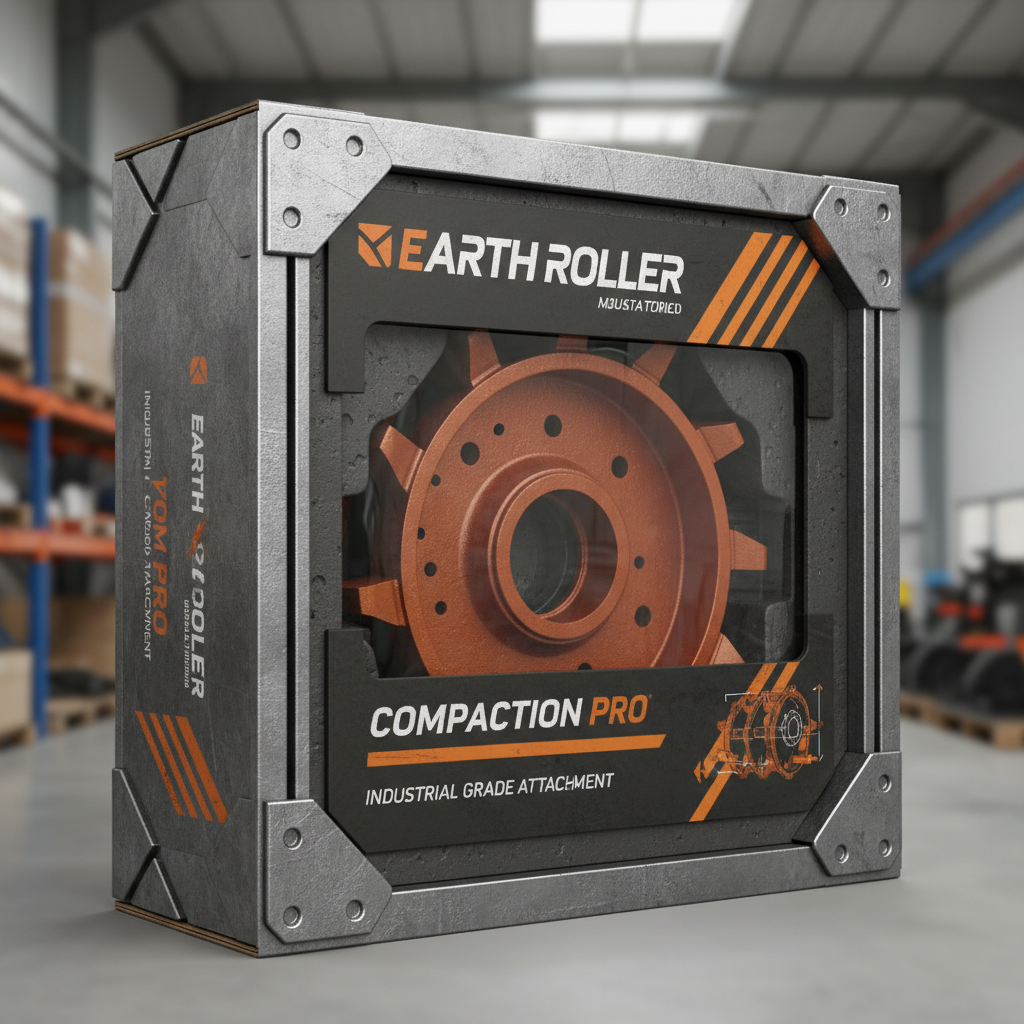
Global Relevance of Backhoe Compaction Wheels
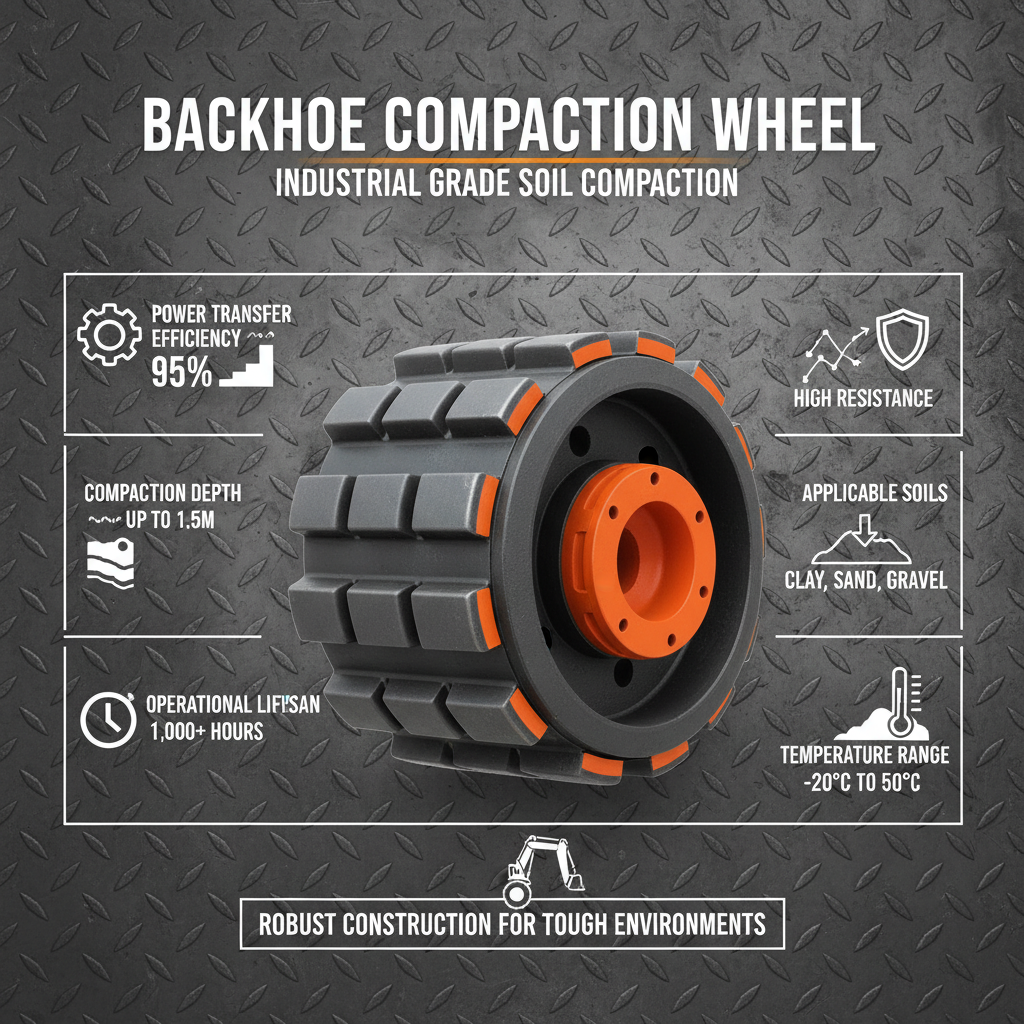
The global construction market is currently witnessing a surge in "micro-infrastructure" projects—small-scale but high-density urban updates where traditional massive rollers cannot navigate. The backhoe compaction wheel has emerged as the primary solution for these constrained environments, providing the necessary downward pressure to eliminate air voids in the soil while maintaining a compact footprint.
From the expanding road networks in Southeast Asia to the meticulous utility repairs in European city centers, the demand for versatile compaction equipment is at an all-time high. By adhering to international standards like those set by the ISO, these wheels ensure that the load-bearing capacity of the soil is consistent, preventing the catastrophic failure of asphalt and concrete layers over time.
FAQS
While a standard roller is a standalone machine, the backhoe compaction wheel is an attachment. This allows for significantly higher mobility and the ability to operate in tight spaces where a full-sized roller cannot fit, while still providing the necessary downward pressure for soil stabilization.
Yes, but the effectiveness depends on the wheel's surface. Smooth wheels are best for asphalt and fine aggregates, while textured or padded wheels are designed for cohesive soils like clay to prevent sticking and ensure even density.
Given the abrasive nature of construction materials, we recommend a visual inspection every 50 operating hours. Check for cracks in the weld points and surface erosion to ensure the wheel maintains a consistent contact patch with the ground.
Most modern backhoe compaction wheels are designed for quick-coupling. If your machine has a standard quick-coupler system, the attachment can be swapped in minutes. For fixed mounts, professional installation is recommended to ensure hydraulic balance.
Absolutely. By eliminating the need to transport and operate a separate roller machine, you reduce fuel costs, labor expenses, and machine rental fees, while simultaneously speeding up the timeline of trenching and backfilling tasks.
Depending on the soil type and wheel weight, the ideal lift is typically between 15cm and 30cm. Compacting in these increments ensures that the pressure reaches the bottom of the layer, preventing future settling.
Conclusion
The backhoe compaction wheel is more than just a piece of steel; it is a precision tool that bridges the gap between excavation and final surfacing. By integrating durability, versatility, and engineering efficiency, it allows contractors to achieve industrial-grade soil density in the most challenging environments, ensuring that every road, pipe, and foundation is built to last for decades.
As the industry moves toward smarter, greener, and more automated solutions, the evolution of compaction attachments will continue to drive productivity. We encourage project managers to prioritize high-quality, certified attachments to maximize their machine's ROI and guarantee the safety of their infrastructure. For premium equipment and expert guidance, visit our website: www.crafts-mfg.com.
Related Posts
-
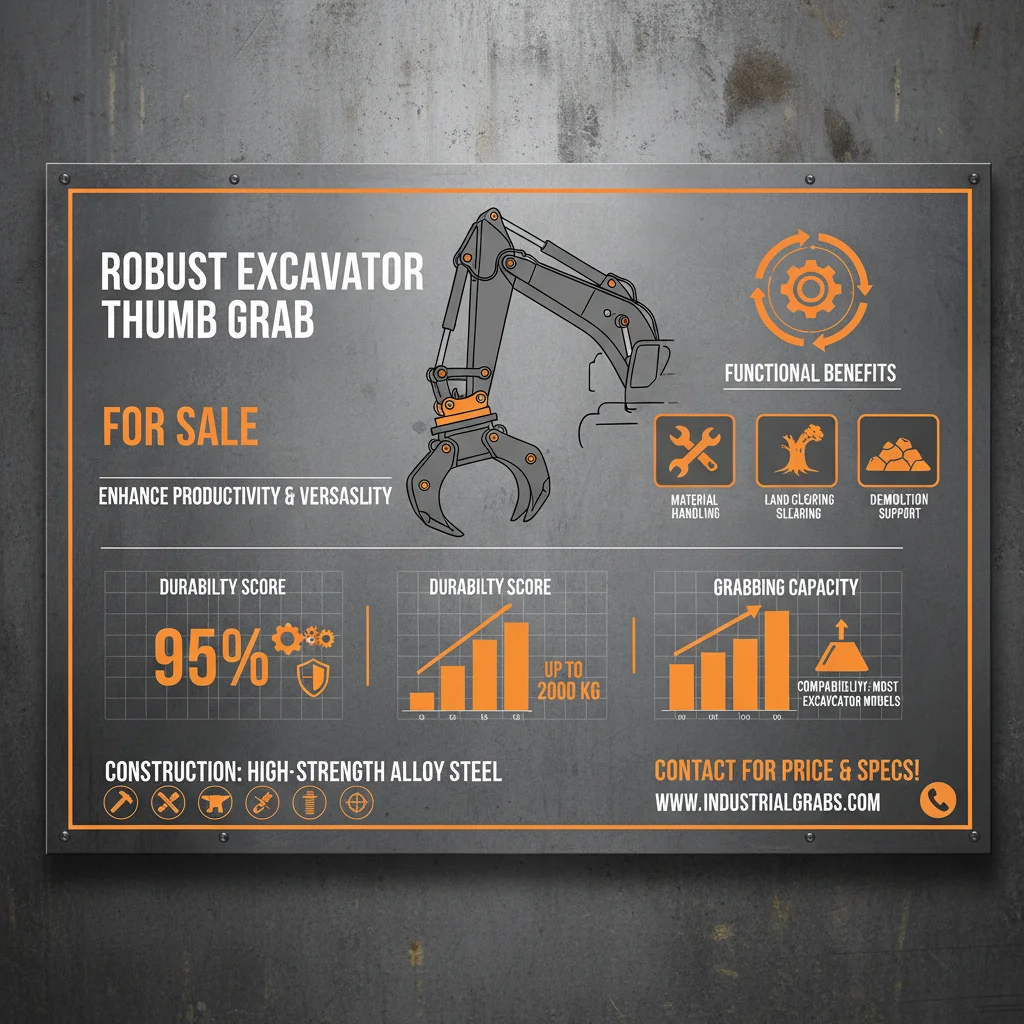
Find The Right Excavator Thumb Grab For Sale To Boost Your Productivity
-
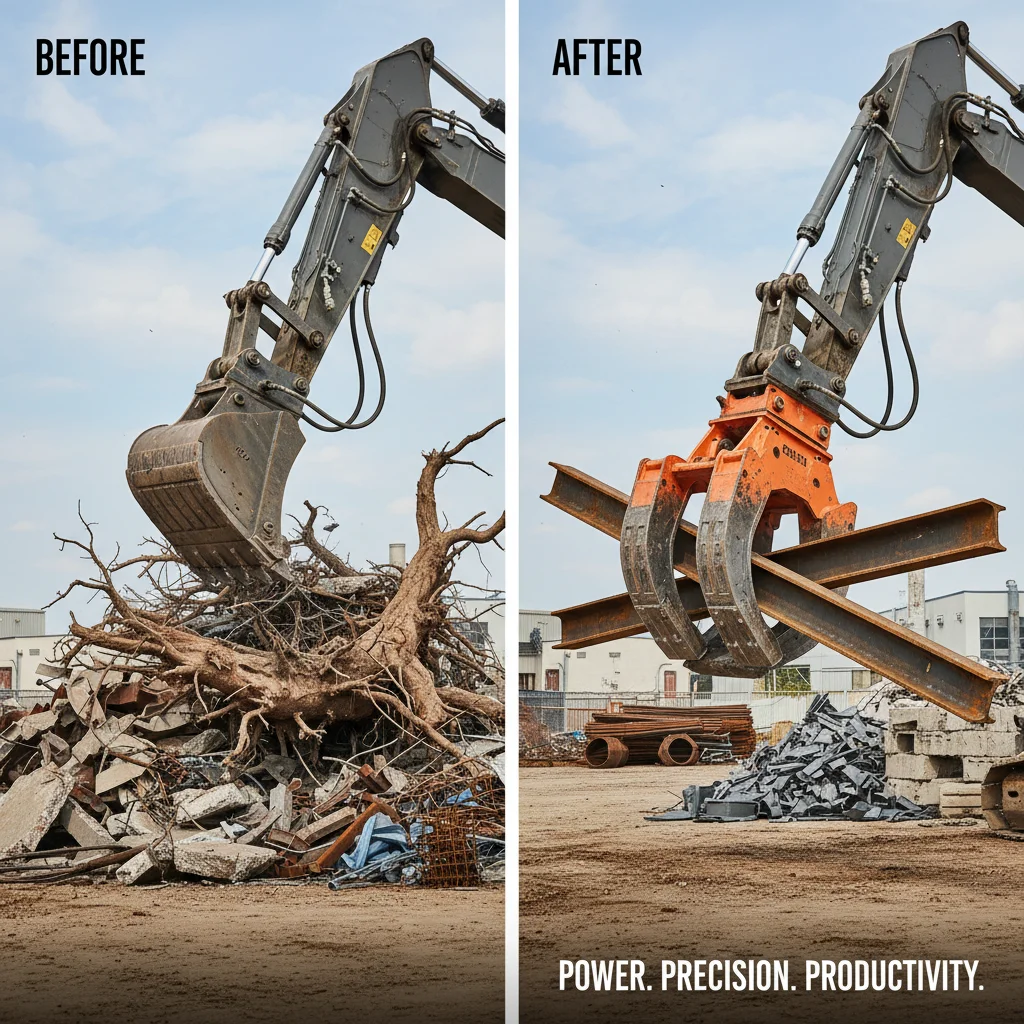
Discover the Versatile Hydraulic Thumb for Excavator for Sale and Boost Productivity
-
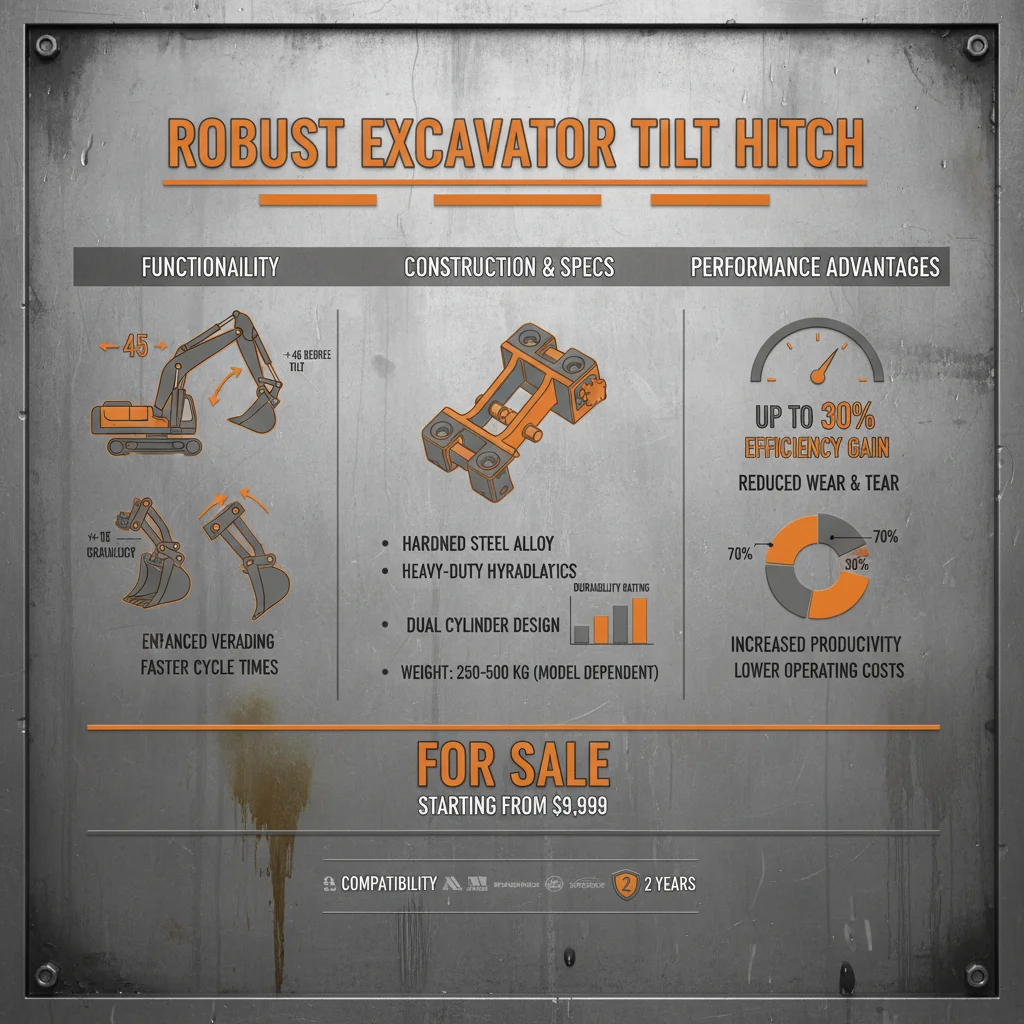
Find the Right Excavator Tilt Hitch for Sale to Boost Your Productivity
-

Reliable Undercarriage Parts Manufacturers for Robust Construction Equipment